USMNT’s World Cup Run Ends with 4-1 Loss to Belgium in Round of 16
On Jul 6, 2026
Rafael Gonzalez 21 Articles
📊 133👁 128
✅ This article is part of the Series:
USMNT Performance and Analysis
Return to the full United States Men's National Team (USMNT) Hub Page
LUMEN FIELD SEATTLE, WASHINGTON – The United States Men’s National Team saw its memorable 2026 FIFA World Cup campaign come to an end Monday night after falling 4-1 to Belgium in the Round of 16 at Seattle Stadium. Backed by a passionate home crowd of 66,925, the Americans entered the knockout match with confidence after advancing through the group stage and defeating Bosnia and Herzegovina in the previous round. However, Belgium’s experience, efficiency, and clinical finishing ultimately proved too much for Mauricio Pochettino’s young squad.
With us on Zoom, Simo Idrissi provided additional insight into the match.
The game ended with this result. From an international perspective or, let’s say, from a soccer culture perspective should the responsibility fall on the coach, the players, or both?
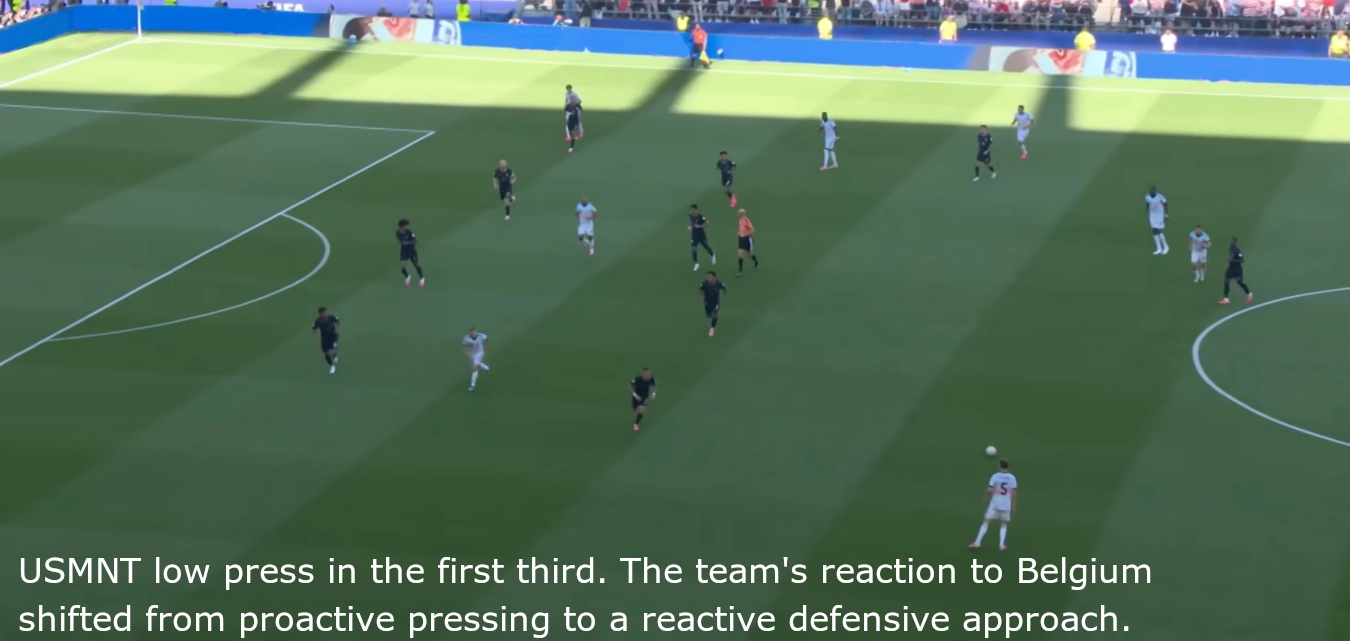
Simo Idrissi: “Hold on, Rafael. There is no soccer culture issue in this situation. I noticed that the US squad started the game with energy, but they changed their tools. Usually, the USMNT presses high with intensity and speed tactically we call it proactive style to disrupt the Red Devils’ possession. That was completely absent from this game. It indicated that the United States changed the playing mechanism the players had already learned throughout this tournament and had built enough confidence in.
The second thing I noticed was that the USMNT transition to attack turned into possession in their own first third without finding a penetration solutions. To me, that showed something was wrong with the players’ decision-making because it was no longer balanced. From my perspective, the players gave Belgium too much credits, and that triggered a ‘flight’ response which resulted in reactive play that made them delay everything. I don’t mean they surrendered, but they put down their shields and weapons and relied on different methods to defend and attack. When your players begin to hesitate, it usually means someone has spoken too highly about the opponent.
Of course, Belgium was defensively strong, but they were slow to reach the US 18-yard box. In that situation, the United States should have maintained the same defensive tactics used all the games played before because Belgium was predictable with one primary strength. They were determined and projected a very strong first impression, and I am convinced that this caused the US players to become mentally hesitant.”
Simo Idrissi’s assessment centers less on the final score and more on the USMNT’s identity throughout the match. In his view, the United States moved away from the aggressive high-pressing system and fast attacking transitions that had fueled its success earlier in the tournament, replacing them with a more cautious approach that allowed Belgium to become increasingly comfortable. Rather than questioning the players’ effort or commitment, Idrissi argues that the team’s tactical confidence shifted during the match, resulting in hesitation, slower decision-making, and a departure from the style that had earned the United States a place in the FIFA World Cup Round of 16.
Belgium wasted little time asserting itself. In the ninth minute, Charles De Ketelaere slipped behind the U.S. defense to finish from close range after Nicolas Raskin created the opportunity from the right side of the penalty area. The early goal forced the Americans to chase the game against one of Europe’s most organized teams.
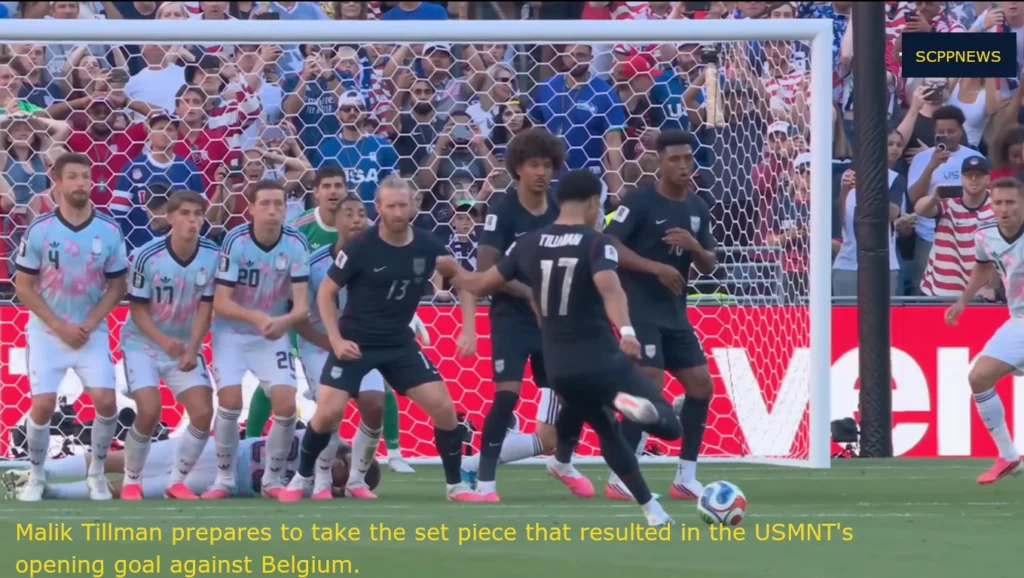
The USMNT responded with determination and found an equalizer in the 31st minute. Folarin Balogun earned a free kick just outside the penalty area after drawing a foul, and Malik Tillman stepped up to deliver a right-footed effort that deflected off the Belgian wall before beating goalkeeper Thibaut Courtois. The goal briefly energized the Seattle crowd and appeared to swing momentum toward the United States.
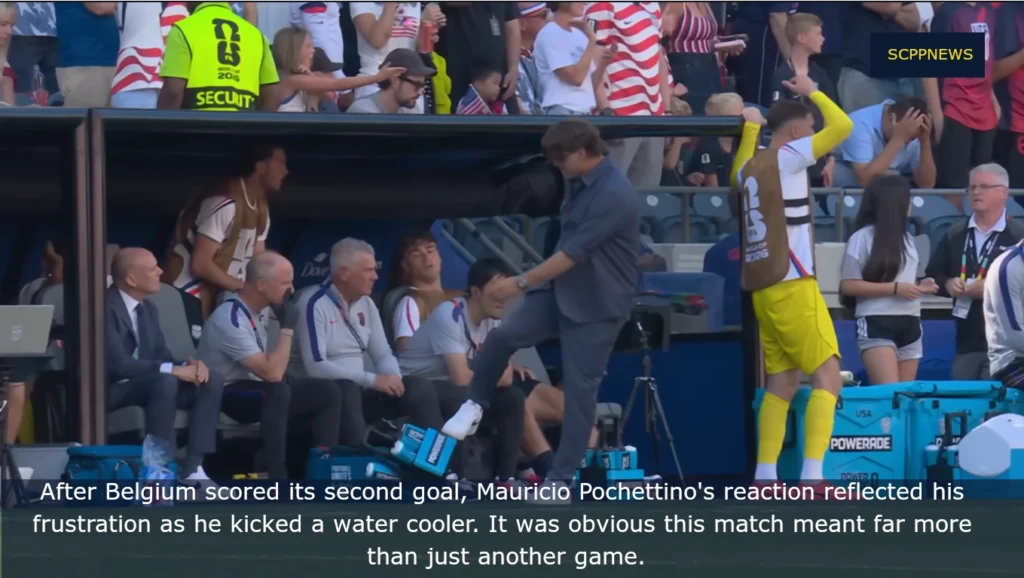
That momentum lasted only two minutes. Belgium answered immediately as Leandro Trossard delivered a cross into the six-yard box where De Ketelaere once again found space, heading home his second goal of the evening to restore Belgium’s lead before halftime. The quick response highlighted the composure and attacking quality that separated the two sides throughout the match.
Pochettino’s side attempted to increase the tempo after the break, but Belgium extended its advantage in the 57th minute following a costly mistake by goalkeeper Matt Freese. Pressured outside his penalty area, Freese lost possession, allowing Hans Vanaken to score into an open net and give Belgium a commanding 3-1 advantage. Despite the setback, the United States continued pressing forward in search of a way back into the match. Sebastian Berhalter nearly scored shortly after coming off the bench, while Balogun forced an important save from Courtois late in the second half, but Belgium remained in control defensively.
Belgium sealed the victory in second-half stoppage time when Hans Vanaken set up Romelu Lukaku, who calmly finished to make it 4-1 and send the Red Devils into the quarterfinals against Spain. The scoreline reflected Belgium’s efficiency in front of goal rather than the overall balance of possession, as the Americans enjoyed periods of control but struggled to create consistent high-quality scoring opportunities.
For the USMNT, the result marked a disappointing conclusion to an otherwise encouraging World Cup campaign. Under Pochettino, the Americans displayed a clear tactical identity built on aggressive pressing, athleticism, and collective work rate. Throughout the tournament, players such as Christian Pulisic, Tyler Adams, Weston McKennie, Malik Tillman, and Folarin Balogun demonstrated the quality and competitiveness needed to challenge top international opponents, even though the Round of 16 ultimately exposed areas that still require growth against elite European competition.
While Belgium advances with its experienced core intact, the United States leaves the tournament with valuable lessons and a foundation for the future. The disappointment of this defeat will undoubtedly linger, but the progress shown throughout the 2026 FIFA World Cup suggests the USMNT remains on a positive trajectory as it continues building toward the next international cycle.